
During a Phoenix heat warning, help an older parent spend the day in air conditioning, keep water within reach, and follow their clinician's fluid instructions. Arrange regular visits and a backup cooled place before a problem develops. Move errands out of the hottest hours where possible; hydration works alongside a plan to stay cool.
Make the water plan personal
CDC's guidance for adults 65 and older explains that older adults can have more difficulty adjusting to sudden temperature changes. Some health conditions and medicines also affect how the body responds to heat.
CDC advises drinking water before feeling thirsty. If a clinician limits your parent's fluids or prescribes water pills, ask that clinician how much they should drink in hot weather. Keep the answer with their care instructions. CDC also advises against changing medicines without talking to the doctor.
Ask what makes drinking difficult. Is the glass too heavy, the lid hard to open, or the kitchen too far away? Offer a preferred cup and put it where your parent can reach it comfortably. If swallowing or dietary instructions apply, follow those instructions when choosing drinks. Ask the care team about any change your parent is struggling to manage.
Check the room as well as the water
Confirm that the air conditioning is running and the room is cooling. CDC says to use fans only when indoor temperatures are below 90°F; above that, a fan can increase body temperature. Choose an air-conditioned place when the home cannot stay cool.
Agree on who will visit and who can cover a missed visit. CDC's older-adult caretaker checklist recommends visits at least twice a day during hot weather. Check whether your parent has water available, a cooled space, and any signs of heat stress.
Choose a backup place before the AC fails
Maricopa County's heat relief page lists cooling centers, respite centers, and hydration stations during the May 1 through September 30 season. Use its map or call 211 to find a suitable site. Confirm today's opening hours, indoor cooling, accessibility, and transportation before setting out.
Write the address and ride contact on the household calendar. Ask who can accompany your parent and what they would need to take. If electricity is needed for a medical device or refrigerated medicine, ask the health care team for a specific outage plan. For a longer-term electricity bill concern, read Heritage's guide to SRP bill assistance.
Share the practical work
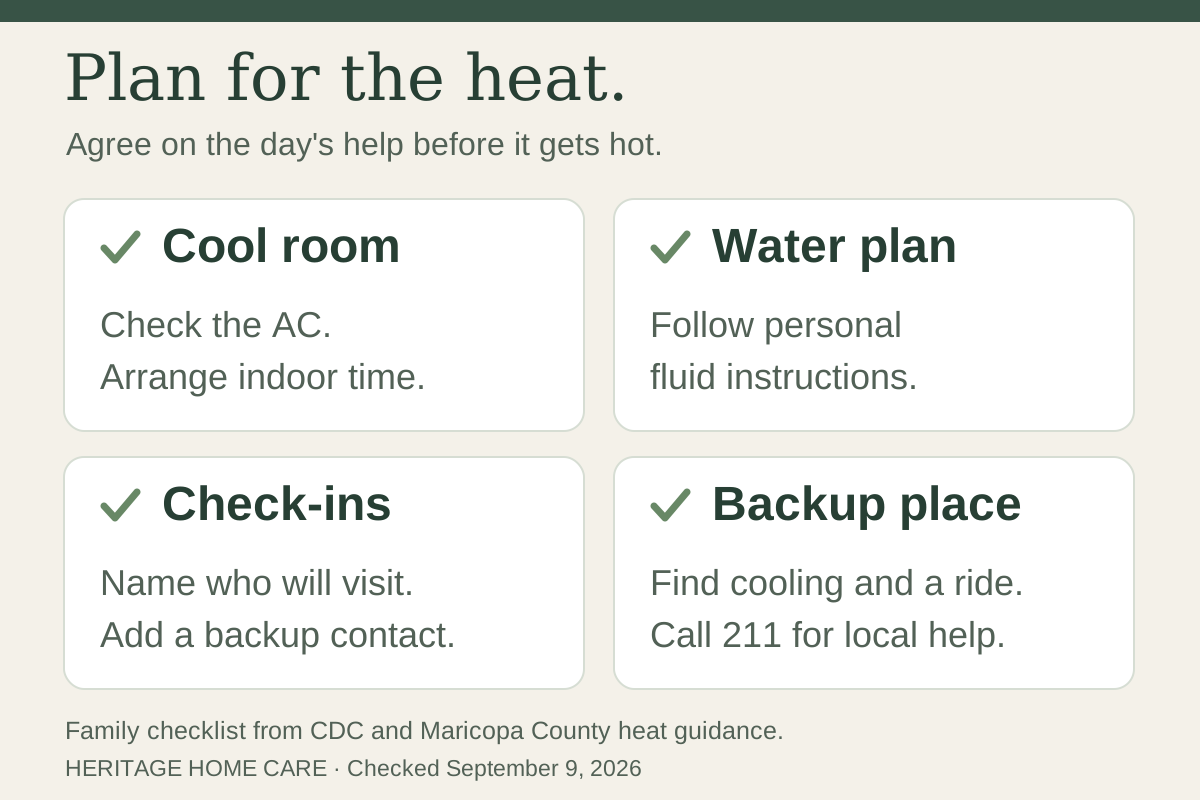
Talk with your parent about which tasks they want help with: preparing a drink, getting groceries, arranging a ride, or having company at home. Put one person's name beside each agreed task and add a backup contact. Keep medical instructions easy to find alongside the schedule.
Heritage Home Care provides non-medical support in Scottsdale and across Maricopa County. Ask about companionship, personal care, or Alzheimer's and dementia support within a care plan that fits your family. Call (480) 418-4100 to discuss practical help at home.
Questions families ask about hydration and heat
01How much water should an older parent drink during a heat warning?
Ask their clinician for an amount that fits their health and medicines. CDC advises people with a fluid limit or a prescription for water pills to ask how much to drink in hot weather. Keep the agreed instructions available to everyone helping.
02Is a fan enough if the house is hot?
Use air conditioning or arrange time in a cooled building. CDC says fans should only be used when indoor temperatures are below 90°F; above that temperature they can increase body temperature. In Maricopa County, call 211 for help finding a cooling site and transportation.
03Where can a family find a cooling center in Maricopa County?
Call 211 or use Maricopa County's Heat Relief Network map. Confirm the site's hours, access needs, and a ride before leaving. The county lists seasonal cooling centers, respite centers, and hydration stations; ask which location offers the indoor cooling your parent needs.
04What should we do if we suspect heat stroke?
Call 911 immediately. Confusion, slurred speech, or loss of consciousness during heat exposure can be signs of heat stroke. Move the person to a cooler place if you can do so safely, use cool wet cloths, and follow the emergency operator's instructions. Do not give fluids when heat stroke is suspected.
Sources and local resources
Guidance checked September 10, 2026. Use the NWS link for the latest local forecast and alerts.