An older adult may be able to keep prior ALTCS benefits while an appeal is pending. The next step depends on whether AHCCCS changed eligibility or a health plan reduced an authorized service. Read the notice now, follow its appeal instructions, and ask the decision-maker how to request continued benefits before the change takes effect.

First, identify what changed
AHCCCS eligibility policy MA1704, revised August 25, 2026, addresses continued eligibility, the prior share of cost or premium, and the prior level of covered services while a hearing is pending. Its examples include losing ALTCS long-term-care coverage.
Under that policy, an appeal received before the adverse action's effective date, or an action taken without advance notice, can require restoration until the hearing decision. A member appealing an increased share of cost or premium must keep paying the prior amount. The member can choose to decline restoration.
A health plan's decision to reduce previously authorized care is a different appeal path. AHCCCS member instructions direct enrolled members to their plan's Grievance and Appeals Department or customer service line. Use the contact and filing method on the notice.
| The notice concerns | Where to start | What to confirm |
|---|---|---|
| Eligibility or a share-of-cost decision | The agency that issued the decision | How to appeal and restore the prior benefit or payment level |
| A health plan reducing an authorized service | The plan's Grievance and Appeals Department | How to file the appeal and expressly request continued benefits |
The continuation deadline needs its own calendar entry
For managed-care services, 42 CFR 438.420 sets the timely continuation-request deadline as the later of 10 calendar days after the plan sends the notice or the intended effective date. Act before the effective date whenever possible; ask the plan to confirm the exact deadline for the notice in hand.
Continuation also depends on the rule's other conditions: a timely appeal involving previously authorized treatment, an authorized provider's order, and an original authorization period that has not expired when continuation is requested. Filing an appeal alone does not establish that every service will continue.
Keep these items together:
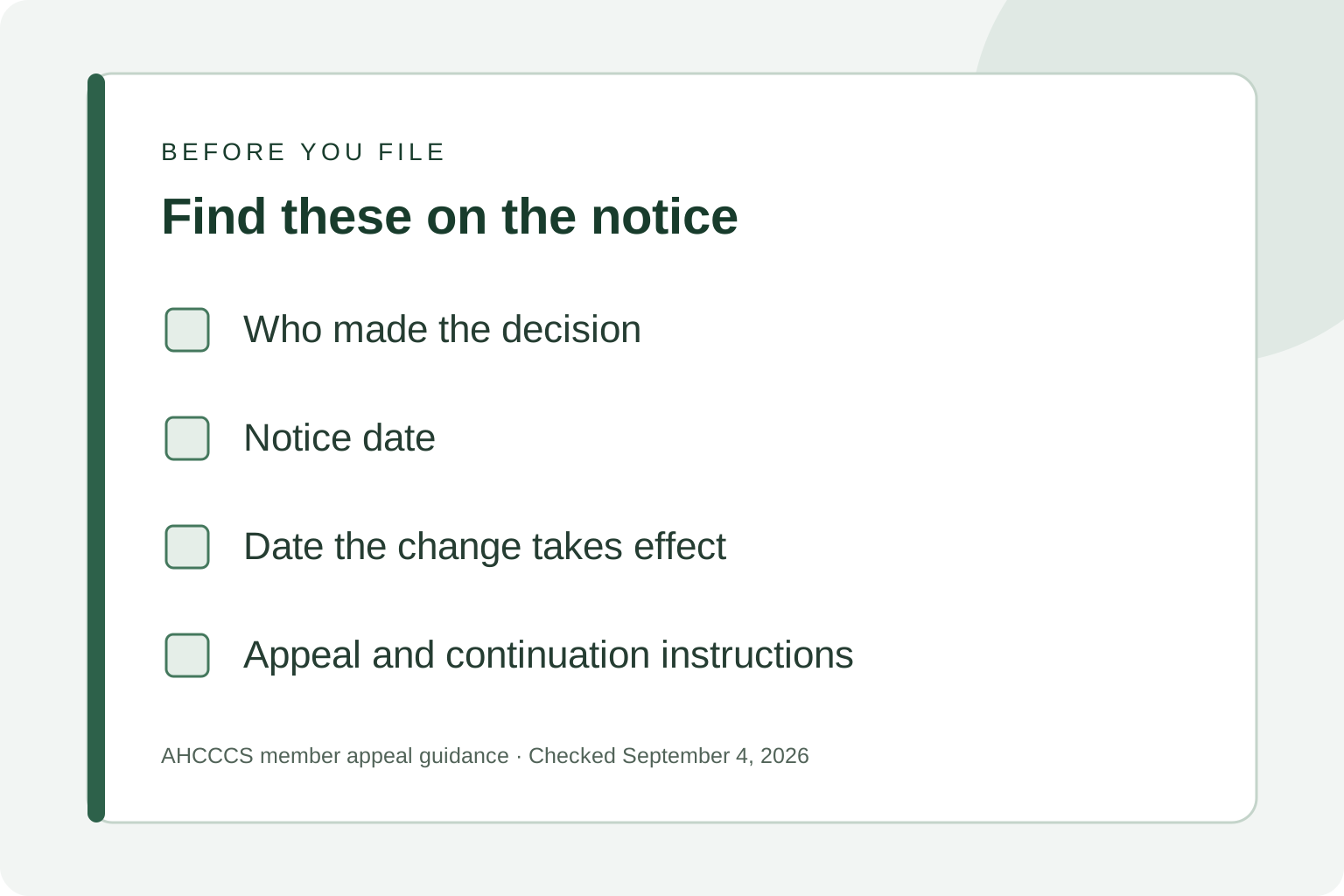
- The complete notice. Include the sender, notice date, effective date, reason, and appeal instructions.
- The request you submitted. Keep a copy of the appeal and the request for continued benefits, plus proof of receipt.
- The plan's answer. Write down the contact's name, reference number, services that will continue, and any remaining requirements.
- The next deadline. Add it to the calendar even if someone says they will call back.
If the effective date has passed or notice arrived late, contact the decision-maker immediately about restoration and the applicable rules. Do not assume that the opportunity has ended.
Ask about repayment and the next appeal stage
Continued services can carry a repayment risk if the adverse decision is upheld. The AHCCCS member guide warns that a member may have to pay for services received during an unsuccessful appeal; ask the agency or plan to explain the potential obligation.
If the health plan denies the appeal, a State Fair Hearing is a separate step. For continued managed-care benefits, the federal rule requires both the hearing request and continuation request within 10 calendar days after the plan sends its adverse appeal-resolution notice. Read each new notice promptly.
When delay could seriously jeopardize the member's health or ability to function, ask the plan about an expedited appeal and involve the treating provider. For help interpreting the notice or deciding how to appeal, speak with a qualified benefits advocate or attorney.
Keep daily support organized while the decision is pending
Write down the current care schedule and ask the plan and service provider to confirm what remains authorized. Identify which daily tasks need a backup arrangement while you wait for written confirmation. Discuss payment before arranging additional paid help.
For families in Scottsdale and Maricopa County, Heritage can discuss non-medical home care, including personal care, meals, companionship, and household routines. Its home care cost guide can help organize budgeting questions. Confirm the proposed tasks, schedule, and payment arrangements during an assessment.
Appeals and continued benefits
01Does filing an ALTCS appeal automatically keep every service in place?
Continuation depends on the decision, the timing, and the applicable conditions. For a health-plan service reduction, request continued benefits as well as the appeal, then confirm what will continue and for how long with the plan.
02Can a family member handle the appeal?
AHCCCS says a representative must have the member's written authorization. Use the agency or health plan's instructions to confirm who may act for the member and what paperwork it needs.
03Could the member have to repay the cost of continued services?
Repayment is possible if the adverse decision is upheld. Ask the agency or plan to explain which continued services could create a repayment obligation before choosing whether to request them.
04What happens if the health plan denies the appeal?
A State Fair Hearing is a separate next step. To keep managed-care benefits continuing through that stage, the federal rule requires a hearing request and a continuation request within 10 calendar days after the plan sends its adverse appeal-resolution notice.
Talk through the daily tasks your family needs covered.
Ask Heritage about available schedules and the support that fits your home.
Prefer to talk? Call (480) 418-4100
Sources
Checked September 4, 2026: AHCCCS MA1704, revised August 25, 2026; AHCCCS Grievance and Appeals member guidance; and 42 CFR 438.420, continuation of managed-care benefits. The notice and the agency or plan handling the appeal determine the steps for an individual case.