A safer home for someone with dementia should still feel like their home. Start with the places where everyday tasks have become difficult, then make small changes with the person and check whether they help. Replacing everything at once can make a familiar space harder to recognize.
This guide combines home safety with practical visual cues. It supports the daily routines in our guide to caring for someone with dementia. Heritage’s non-medical dementia care can help families put daily support in place; ask a licensed clinician or occupational therapist about needs that require a clinical or home-safety assessment.
Walk through the home together
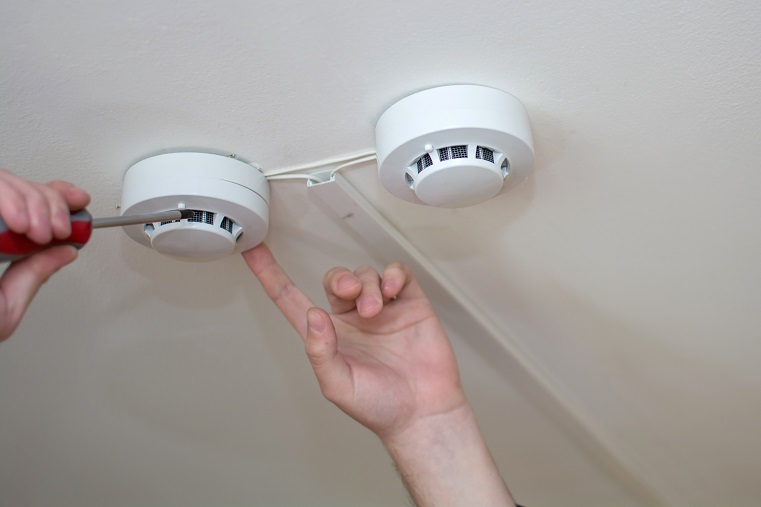
Follow the routes your loved one uses most often, including the trip between the bedroom and bathroom. Notice loose rugs, clutter, cords, and furniture that narrows the path. The Alzheimer’s Association’s home safety guide recommends clear walking routes, working smoke and carbon monoxide alarms, and secure storage for medications and hazardous products.
Write down a few specific difficulties: a chair that is hard to get out of, a cupboard that is hard to find, or a doorway where the person hesitates. Keep emergency contact numbers somewhere caregivers can find them. Review the home again when abilities or routines change.
Improve lighting without adding glare
The NHS dementia home-environment guide recommends even lighting with fewer shadows and reflections. Check stairs, entrances, and the bathroom, and keep light switches within easy reach. Look from the person’s usual chair as well as from the doorway; a lamp that looks helpful from one angle can create glare from another.
Pay attention to the time of day. Sunlight through a window can change how a floor or mirror looks by late afternoon. Adjust a light or curtain and check the result with your loved one. Keep the bedroom suitable for sleep, with a safe, clearly lit route available when someone gets up at night.
Use contrast and a few clear labels
A plain plate that stands out from the table, or a towel that contrasts with the bathroom wall, can be easier to recognize. Alzheimer’s Society’s home guide suggests contrasting colors and signs or pictures to identify familiar objects and rooms. There is no single best color for every household; try the change where the person actually needs help.
A word and a recognizable picture can help identify the bathroom or a cupboard. Keep familiar items in their usual places, and check whether the label means something to the person. If it does not help, adding more signs may only create clutter.
Check patterns, reflections, and eyesight
Strong patterns or shiny floors may make a route look confusing. The Alzheimer’s Society explains how dementia can change perception, including how a person interprets objects and distances. If your loved one hesitates, ask what they see and offer reassurance instead of arguing.
Do not assume every visual difficulty comes from dementia. Follow guidance on regular eye checks, keep glasses clean and current, and tell the eye care professional about the tasks that have become difficult. They can adapt testing to the person’s needs. Seek urgent medical advice for a sudden change in perception or confusion.
Give the kitchen and bathroom extra attention
Review how the person uses appliances and whether they need someone nearby. The Alzheimer’s Association recommends considering automatic shut-off features, securing medications and cleaning products, and checking food and water temperatures. Keep hazardous products in their original containers and away from food.
In the bathroom, ask about correctly installed grab bars and nonslip surfaces. Check that someone can get help if a door locks; a safety change should not leave the person trapped. Match supervision to the person’s abilities rather than assuming a piece of equipment solves the whole problem.
Plan for wandering and time outside
A door alert can tell a caregiver that someone has opened an exit, but it does not replace a person who can respond. The Alzheimer’s Association’s wandering guidance recommends planning ahead and warns that precautions cannot guarantee someone will not wander. Never lock a person inside the home alone.
Keep a recent photograph and a written plan for who to contact if your loved one goes missing. Discuss identification and appropriate safety devices with the care team. If the person is missing or in immediate danger, call 911 and explain that they have dementia. For time outside, agree who will accompany them and when that person will be available.
Turn the changes into a care plan
Note what changed, whether it helped, and what still needs attention. Share that information with relatives and caregivers so the arrangement stays consistent. A clear walkway helps only if everyone keeps it clear; a useful label helps only if the item stays in that place.
Heritage can discuss personal care, companionship, and dementia support around your loved one’s routines. Call (480) 418-4100 or Call (480) 418-4100 to talk through the help your family needs.
Sources linked above: Alzheimer’s Association, NHS, and Alzheimer’s Society. Guidance checked October 3, 2026.