
To remember your medication schedule, start with the instructions from your prescriber or pharmacist, choose a reminder you will notice, and record a dose after you take it. A phone alarm, paper chart, or reminder call may help. Keep the prescribed timing; ask your pharmacist before moving a dose to fit a meal or another daily habit.
Get the schedule in writing
The FDA recommends asking for a written medicine schedule that explains when and how to take each medicine. Bring a list that includes prescriptions, over-the-counter products, vitamins, and supplements so your health care team can review the whole picture.
Ask for larger print if labels are hard to read. Before leaving the pharmacy, confirm what to do about a missed dose, how to store each medicine, and whom to call with questions. If different instructions seem to conflict, ask the pharmacist to clarify them.
Choose a reminder that fits your day
MedlinePlus suggests alarms, reminder calls, and medicine charts. Set an alarm for the prescribed time or arrange a call with someone you trust. If you want to use a meal as the cue, first ask whether that medicine can be taken with food.
A chart can list each medicine and its scheduled time, with a space to mark when you actually take it. Turning off an alarm is only dismissing a reminder; make the record after the dose, not when the alarm sounds.
Check whether a pill organizer suits your medicines
The National Institute on Aging lists weekly pill boxes among reminder tools. Ask your pharmacist which of your medicines can go in an organizer, how to label it, and whether you need help filling it. Follow each medicine's storage directions.
Keep medicines away from children and pets. A reminder can stay visible without leaving medication where someone else can reach it. If handling containers or keeping track is becoming difficult, explain the specific problem to your health care team.
Plan the practical help together
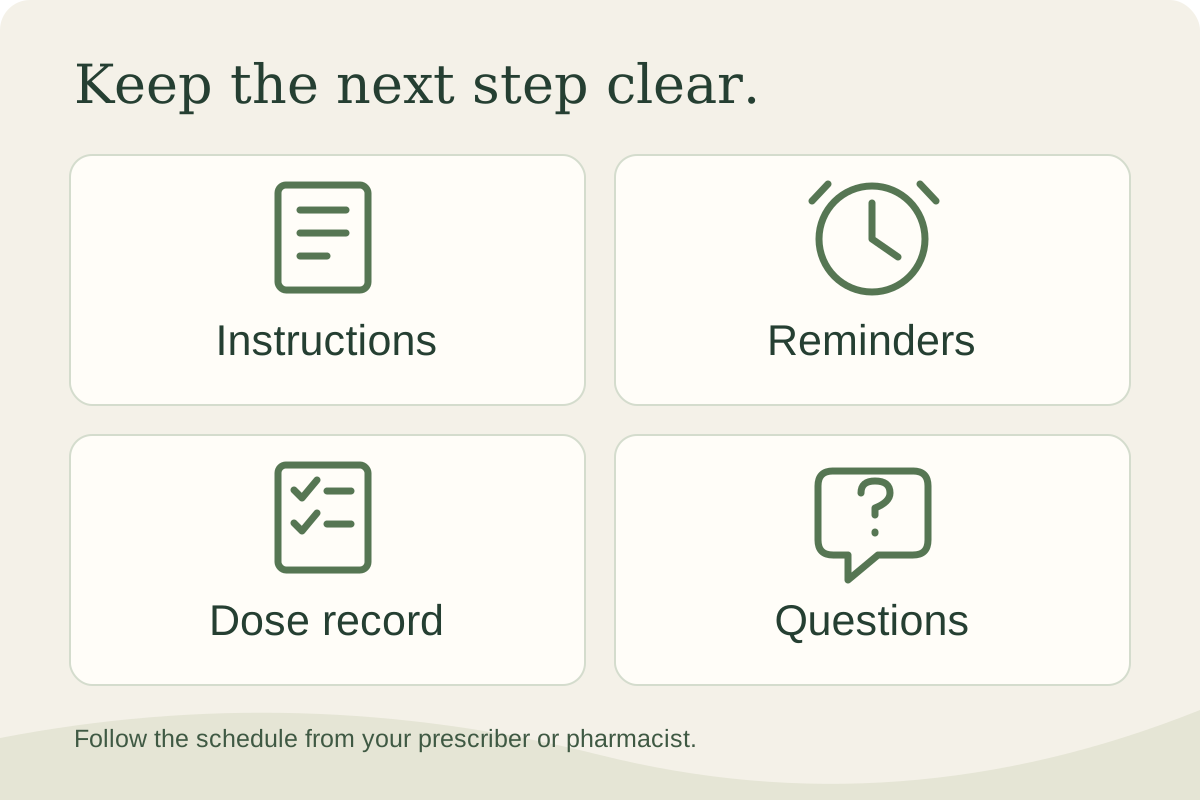
Use these questions to agree on the household tasks around the prescribed schedule.
| Task | Agree on a next step |
|---|---|
| Read the instructions | Who will help write down questions for the pharmacist? |
| Set reminders | Which device or reminder call will the person notice? |
| Keep a record | Where will the dose chart be kept so the person can use it? |
| Arrange support | Who can help with a pharmacy trip or appointment? |
When a reminder is not enough
If you miss a dose, are unsure whether you took it, or regularly struggle with the schedule, contact your pharmacist or prescriber. Ask for medicine-specific instructions. The FDA advises discussing a simpler schedule with your doctor when needed; do not change the medicines yourself.
Ask Heritage about help at home
Heritage Home Care provides non-medical support in Scottsdale and across Maricopa County. Medication reminders can be part of an agreed care plan; medication administration and treatment decisions belong with licensed health care professionals.
Explore companion care for help with daily routines or read about support after a hospital stay. To discuss visit times and practical tasks, Call (480) 418-4100 or call 480-418-4100. You can also learn about Heritage before arranging care.
Medication reminders at home
01What is a simple way to remember my medication schedule?
Use your prescribed schedule to set an alarm and make a chart with a space to mark each dose after taking it. Choose a reminder you can hear or see, and ask a family member for help if needed.
02Can I take all my medicines with breakfast?
Ask your pharmacist before changing the timing or linking medicines to a meal. Food and timing instructions differ between medicines; keep following the directions for each one.
03What if I missed a dose or cannot remember taking it?
Contact your pharmacist or prescribing clinician for instructions for that medicine. Explain what you know about the last dose and timing. Do not guess or change the schedule yourself.
04Can Heritage help with medication reminders?
Heritage offers non-medical medication reminders within an agreed care plan. Ask which tasks and visit times fit your needs. Your licensed health care team directs medication administration and treatment decisions.
Sources and further reading
Guidance checked September 11, 2026. Follow your health care team's instructions for your own medicines.