
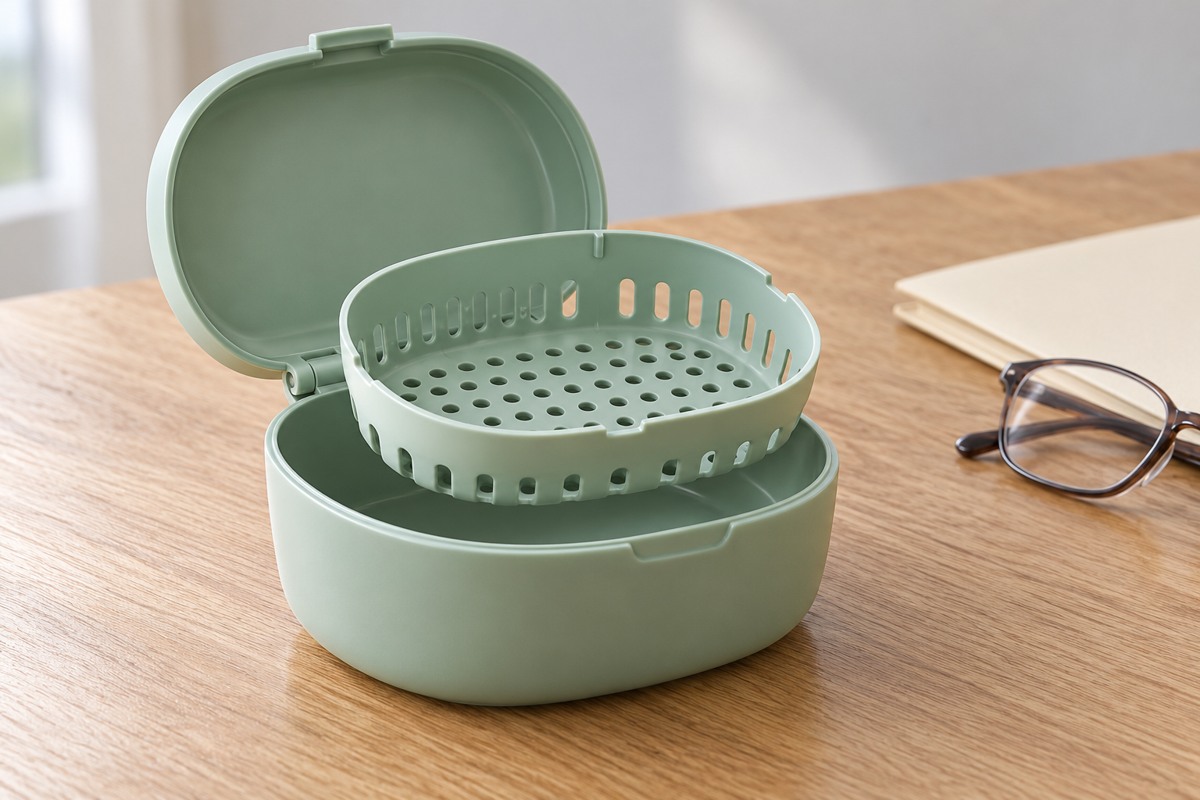
Common oral and dental concerns in older adults include tooth decay, gum disease, dry mouth, denture-fit problems and persistent mouth sores or patches. New pain, bleeding gums or changes in eating deserve a conversation with a dentist. Write down what changed and when, then ask the dental office how soon the person should be seen.
These changes can overlap. A family member or non-medical caregiver can help describe what is happening and arrange support, while a dentist determines the cause and treatment. This guide focuses on recognizing concerns; our dental-habits guide covers the everyday routine.
Tooth decay can begin without pain
NIDCR explains that early tooth decay usually has no symptoms. Later, a tooth may hurt or react to sweet, hot or cold foods. Receding gums can expose root surfaces to decay, so retaining natural teeth still means keeping dental care on the calendar.
If a loved one mentions sensitivity, record which tooth or side bothers them and what brings it on. Share that information with the dentist. A pain-free day does not establish that the underlying problem has gone away.
Bleeding gums and loose teeth need assessment
Gum disease can start with red, swollen or bleeding gums. Gingivitis is the earlier gum inflammation; more advanced periodontitis can damage the tissues and bone that support teeth. Teeth may loosen, and chewing can become painful.
Describe bleeding, tenderness, a change in the gumline or a loose tooth when calling the dental office. Ask what appointment is needed. Trying to decide the stage from a photograph or a home inspection can miss details the dentist needs to examine.
A persistently dry mouth has several possible causes
Some medicines and health conditions can reduce saliva. NIDCR says persistent dry mouth can make chewing, swallowing and talking difficult and increase the risk of decay. Tell the dentist or doctor when the dryness began and bring the current medicine list.
If it started around a medicine change, point out the timing to the prescriber. Ask the clinical team to review the cause and suitable options. Medication decisions belong with that team.
Dentures may need a fit check
A denture that slips, presses on a sore spot or makes eating uncomfortable needs a conversation with the dentist. The American Dental Association explains that mouth changes can affect partial-denture fit; poorly fitting dentures should be adjusted by a dentist.
Note whether the problem happens while speaking, chewing or wearing the denture. Tell the office about cracks or damage as well. Ask the dentist to check any sore area rather than assuming the denture is the only cause.
Persistent sores or patches should be checked
A mouth sore does not by itself establish cancer. Still, NIDCR advises seeing a dentist or doctor for symptoms lasting more than two weeks, including a sore, irritation, lump, thick patch, or a red or white patch. Keep track of when the change first appeared.
Ask for advice sooner when a change is painful, worsening or affecting eating. Mention difficulty chewing or swallowing, numbness, or a change in how teeth or dentures fit. Use the professional’s instructions for the next step.
Make the dentist call easier to act on
- Describe the changeWhere is it? When did it start? Is it changing?
- Explain the effectWhat happens while eating, speaking or wearing dentures?
- Ask for the next stepHow soon should the person be seen? What should you bring?
Family preparation aid based on NIDCR symptom guidance and ADA denture guidance. Sources checked October 28, 2026. The dental team determines urgency and treatment.
Separate urgent concerns from the routine visit
Contact a dentist for a throbbing toothache that persists or a pimple-like swelling on the gum. MedlinePlus describes these as reasons to seek dental care. Describe fever or swelling when calling so the team can direct you.
For trouble breathing or another medical emergency, call 911. Do not wait for an ordinary dental appointment. Follow the person’s existing clinical instructions when they have a specific condition or recent procedure.
Plan access and help at home
For Scottsdale and Maricopa County families facing a cost barrier, the Arizona Department of Health Services’ reduced-fee clinic directory lists options in Phoenix and Mesa, with columns for senior and denture services. Use it to make a shortlist, then call to confirm current eligibility, fees, appointment availability and accessibility. A directory listing does not confirm an available appointment.
At home, identify the practical task that needs help: preparing for the visit, following the agreed routine or getting a concern back to the family. Heritage’s personal care service supports daily activities in Scottsdale. Discuss the exact tasks during an assessment. Dental diagnosis and treatment remain with dental professionals.
For other daily support, explore Heritage’s services, post-hospital support or the care team. To discuss help at home, arrange an assessment. Learn more about Heritage.
Family questions about dental changes
Does a tooth have to hurt before there is decay?
No. NIDCR notes that early tooth decay usually has no symptoms. Keep regular dental visits, and describe new sensitivity or pain when calling the dentist.
Are gingivitis and periodontitis the same thing?
They describe different stages of gum disease. Gingivitis affects the gums; more advanced disease can damage the tissues and bone supporting teeth. A dentist assesses the extent and treatment needed.
Should we assume a sore under a denture is only a fit problem?
Have a dentist examine the sore and check the fit. Describe when it started and whether it is changing. A sore lasting more than two weeks needs dental or medical assessment; seek advice sooner for pain or other concerning changes.
What should we bring to a dental appointment?
Bring an up-to-date medicine list, the person’s description of the change, when it began, and any questions about eating or denture fit. Tell the office about mobility, communication or support needs when booking.
Sources and further reading
Sources checked October 28, 2026.
- NIDCR: Tooth Decay
- NIDCR: Periodontal Disease
- CDC: About Periodontal Disease
- NIDCR: Dry Mouth
- NIDCR: Oral Cancer
- American Dental Association: Partial Dentures
- MedlinePlus: Tooth Abscess
- MedlinePlus: When to Use the Emergency Room
- Arizona Department of Health Services: Reduced-Fee Dental Clinics
Frequently asked questions
Does a tooth have to hurt before there is decay?
No. NIDCR notes that early tooth decay usually has no symptoms. Keep regular dental visits, and describe new sensitivity or pain when calling the dentist.
Are gingivitis and periodontitis the same thing?
They describe different stages of gum disease. Gingivitis affects the gums; more advanced disease can damage the tissues and bone supporting teeth. A dentist assesses the extent and treatment needed.
Should we assume a sore under a denture is only a fit problem?
Have a dentist examine the sore and check the fit. Describe when it started and whether it is changing. A sore lasting more than two weeks needs dental or medical assessment; seek advice sooner for pain or other concerning changes.
What should we bring to a dental appointment?
Bring an up-to-date medicine list, the person’s description of the change, when it began, and any questions about eating or denture fit. Tell the office about mobility, communication or support needs when booking.