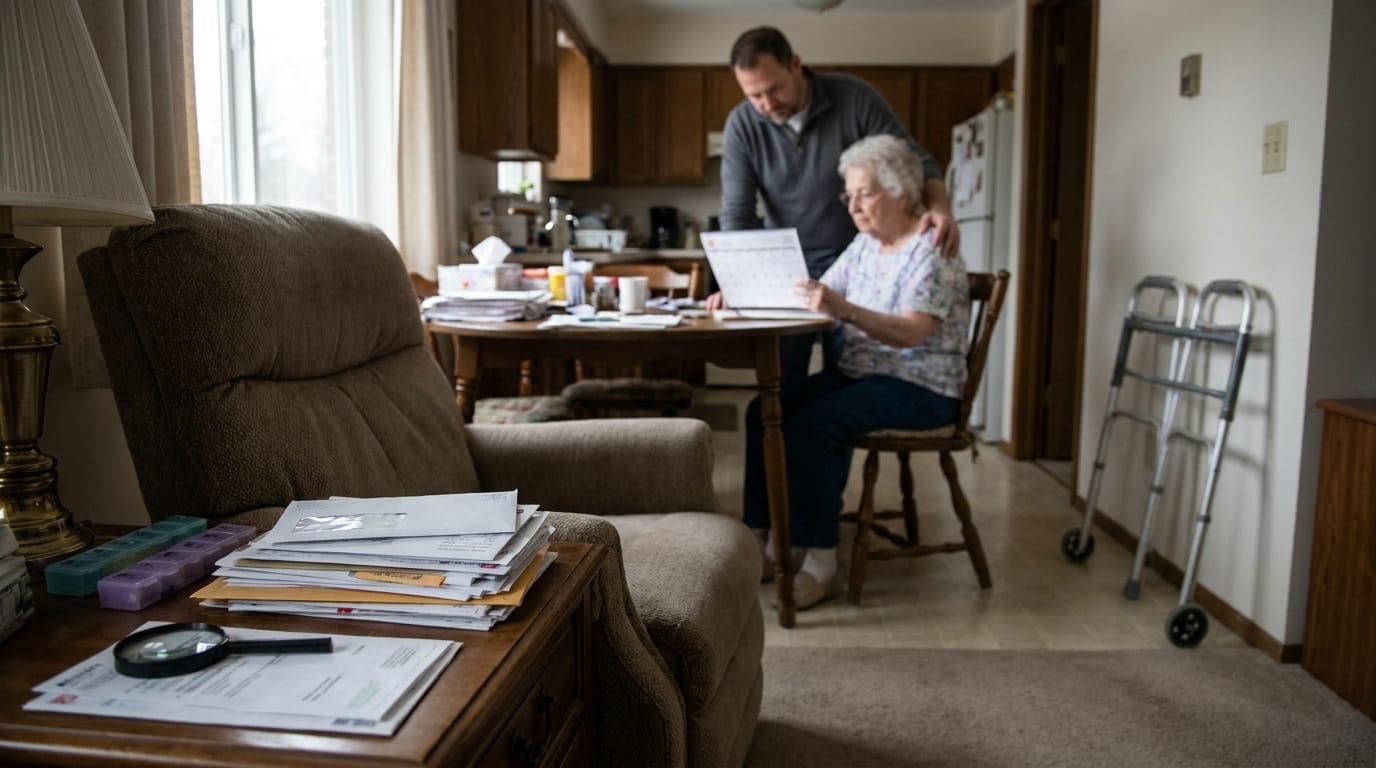

Older adults may refuse home care because the proposed help feels intrusive, expensive, unfamiliar, or likely to take away control. Start by asking what they object to. The useful next step depends on whether the concern is a stranger entering the house, hands-on personal care, the bill, or someone else deciding how the day will run.
A refusal can be specific. Someone may decline help with bathing while being willing to discuss grocery errands. This guide focuses on understanding that objection. For the wider conversation about changing needs, see talking with an aging parent about help at home.
What may be behind the refusal?
In a 2018 qualitative study of 68 older adults, participants described concerns about losing control, not trusting others, feeling burdensome, and being unable to complete tasks. These are possible concerns to explore, not a diagnosis or an explanation that fits every person.
They want to keep deciding for themselves
Ask what they want to continue doing. If cooking matters, discuss help with shopping or cleanup before proposing that someone take over the kitchen. Write down which decisions stay with the person, including preferred routines and the tasks they want to attempt themselves.
They want privacy and a helper they trust
Bathing, dressing, and letting a new person into the home raise different concerns. The Family Caregiver Alliance recommends acknowledging the person's concerns and involving them in choosing help where possible. Ask about a preferred helper, communication needs, rooms that are private, and how the provider handles concerns about a caregiver. Give them time to ask questions directly.
They are worried about the expense
Take a cost objection literally. Before discussing a schedule, ask the provider for the rate, visit minimums, cancellation terms, and what the proposed visits would cost over a typical month. Our Scottsdale and Phoenix home-care cost guide explains what to compare. Avoid describing paid support as free or promising that a benefit will cover it.
The offer does not match what feels difficult
Instead of a broad offer to help with everything, ask which part of the week is tiring or frustrating. The California Department of Aging suggests beginning with everyday routines, listening, and respecting the person's values. A useful starting question is whether getting groceries has become inconvenient. They may identify a different problem than the one the family noticed.
Match the objection to a concrete question
Privacy
Which task or part of the home do you want kept private?
Independence
What do you want to keep doing, and where would help fit?
Trust
What would you need to know before meeting a helper?
Cost
What can we afford, and what would the proposed visits cost?
Conversation prompts based on Family Caregiver Alliance and California Department of Aging guidance. No question guarantees agreement.
Make the first proposal small and honest
If the person is interested, agree on one task, a suitable visit time, and a time to review how it went. Ask the agency whether that arrangement fits its service scope and minimum visit length. The Family Caregiver Alliance recommends introducing assistance gradually; that does not establish any particular agency's minimum hours.
Describe the visitor accurately. Do not surprise the person with a caregiver presented as a friend or claim a clinician ordered help when that did not happen. Let them explain what worked and what felt uncomfortable before discussing additional visits. An introduction is an opportunity to assess the fit, not a promise that the arrangement will continue.
When the answer is still no
If there is no immediate emergency, leave room to revisit the decision. You can be clear about your own limits: the days you can visit, the tasks you can manage, and where the family needs another option. For wider coverage needs, explore day-and-night support separately rather than treating every refusal as a reason for round-the-clock care.
Do not label disagreement as dementia. If you are worried about changes in thinking, ask a clinician for an assessment; our dementia-care page covers support for that different situation. If decision-making authority is disputed, seek qualified local advice rather than assuming that being a relative settles it.
Sudden confusion needs urgent medical help. MedlinePlus advises calling 911 when confusion comes on suddenly. Treat a sudden change as a medical concern, not a difficult care conversation.
A place to ask for help in Arizona
If your family needs an outside person to discuss options, the Arizona Caregiver Resource Line is 888-737-7494, Monday through Friday, 9 a.m. to 4 p.m. Arizona DES says trained volunteers offer information, support, and local resources. Ask which services fit your situation; a resource call does not establish eligibility or pay for a care arrangement.
Discuss a specific concern with Heritage
Heritage provides non-medical support at home in Scottsdale and Maricopa County. Tell the team which task is difficult and what the person is hesitant about. Ask about personal care, caregiver introductions, scheduling, and cost before agreeing to visits. You can learn about Heritage and the team, or call 480-418-4100 or contact the team to discuss the next step.
Questions families ask
Why would someone refuse care they seem to need?
The concern may be privacy, cost, a stranger in the home, or losing control over ordinary decisions. Ask which part of the proposed arrangement feels unacceptable. A person may be open to a different task, helper, or schedule even when they decline the first offer.
What if the concern is having a stranger in the house?
Ask the agency how introductions, caregiver matching, supervision, and complaints work. Discuss what the person wants kept private. Involve them in choosing the helper where possible, and explain accurately who will visit and what the visit involves.
Should we start with personal care?
Start by asking which task the person actually wants help with. They may be more comfortable discussing meals or errands before hands-on bathing or dressing. Agree on the task and check the provider's visit minimums and price before arranging support.
What if they still say no?
If there is no immediate emergency, pause the pressure and keep the discussion open. Be honest about the help family members can provide. Ask a clinician about health or thinking changes and a qualified local adviser about unresolved decision-making authority; do not assume a family disagreement gives you that authority.
Sources
- Lindquist and colleagues: older adults' perspectives on accepting support (2018)
- Family Caregiver Alliance: accepting help
- California Department of Aging: understanding a loved one's wishes
- MedlinePlus: confusion
- Arizona DES: family caregiver support
Frequently asked questions
Why would someone refuse care they seem to need?
The concern may be privacy, cost, a stranger in the home, or losing control over ordinary decisions. Ask which part of the proposed arrangement feels unacceptable. A person may be open to a different task, helper, or schedule even when they decline the first offer.
What if the concern is having a stranger in the house?
Ask the agency how introductions, caregiver matching, supervision, and complaints work. Discuss what the person wants kept private. Involve them in choosing the helper where possible, and explain accurately who will visit and what the visit involves.
Should we start with personal care?
Start by asking which task the person actually wants help with. They may be more comfortable discussing meals or errands before hands-on bathing or dressing. Agree on the task and check the provider's visit minimums and price before arranging support.
What if they still say no?
If there is no immediate emergency, pause the pressure and keep the discussion open. Be honest about the help family members can provide. Ask a clinician about health or thinking changes and a qualified local adviser about unresolved decision-making authority; do not assume a family disagreement gives you that authority.