
Heart-healthy habits for seniors include regular movement suited to their abilities, balanced meals, enough sleep, avoiding smoking, and following their health care team's instructions. Families can help by making those habits easier to keep: arrange a ride, prepare a meal together, or put a planned activity on the calendar. Start with the older adult's preferences and their clinician's advice, especially when heart disease or limited mobility affects daily life.
Choose movement that fits the person
CDC's guidance for adults 65 and older recommends at least 150 minutes of moderate aerobic activity each week, muscle-strengthening activity on at least two days, and balance activities. People who cannot meet those recommendations should stay active within their abilities and health conditions.
Ask the clinician what is appropriate before starting or increasing activity when a parent has heart disease, symptoms, or mobility concerns. A weekly target should not become pressure to push through a difficult day.
The family's practical job is to remove obstacles. Ask, "Would company make this easier?" Put suitable shoes where they are easy to reach, arrange transportation to an approved activity, or help clear the walking route. If the person already has instructions from a physical therapist, keep those instructions available to everyone helping. Let the health care team decide changes to the exercise plan.
Make the next meal easier
A heart-healthy eating pattern includes vegetables, fruit, whole grains, and suitable protein choices, while limiting sodium, saturated fat, and added sugars. Compare sodium on food labels using the same serving size. Ask the clinician or dietitian about any individual dietary restrictions.
Before changing the grocery list, find out what is getting in the way. Can your parent open the packaging, stand long enough to cook, and get to the store? A prepared lunch they enjoy may be more useful than another list of foods to avoid. Offer to shop together or prepare portions of a familiar meal that fits their dietary instructions. Keep food choices collaborative.
Give sleep a regular place in the day
NHLBI recommends seven to nine hours of sleep for adults and connects ongoing sleep deficiency with higher cardiovascular risk. Its advice includes consistent bedtimes and wake times, a quiet, cool, dark bedroom, and a calmer hour before bed.
Help your parent choose a routine they can keep. Move an evening chore earlier if it regularly delays bedtime, and ask about sleep at the next appointment if problems continue. Adding a sleep medicine or changing an existing medicine is a question for their clinician or pharmacist.
Keep medical follow-up organized
CDC notes that high blood pressure usually has no symptoms and advises taking prescribed medicines as directed. Ask the care team how often blood pressure and cholesterol need checking, how results will be reviewed, and what questions should prompt a call.
Bring a current medication list and a short question list to appointments. Confirm the next visit before leaving, then decide who will arrange transportation. If instructions are unclear or a dose is missed, contact the pharmacist or prescribing clinician for advice rather than guessing.
Families can also ask how to support quitting smoking. CDC identifies smoking as a heart-disease risk and recommends getting help from a doctor to quit. Keep that conversation respectful; offer help arranging the support the person chooses.
Ask what is making the week hard
Someone who has always cooked independently may find grocery shopping exhausting. Another parent may want company for an activity but feel uncomfortable asking. A missed routine can reveal a practical problem that a reminder alone will not solve.
Ask your parent which part of the day feels hardest and what help they would welcome. A shared meal, regular conversation, or help with light household tasks can make the week more manageable. Give them room to decline an offer or suggest a different one. Persistent distress or changes in mood deserve a conversation with their health care professional.
A family checklist for the coming week
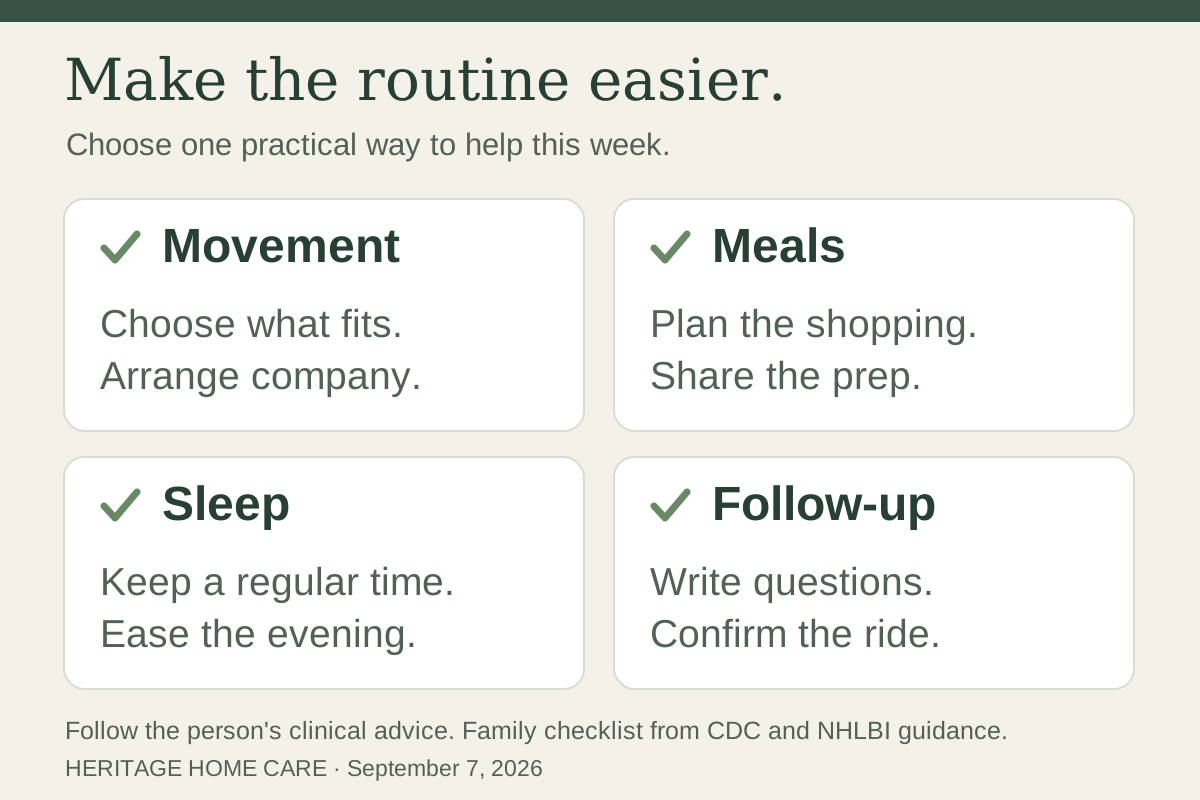
Choose one manageable change together. Write down who will help and when, then check whether it actually made the day easier.
| Routine | Ask your parent | Agree on the next step |
|---|---|---|
| Movement | Which activity feels manageable within your clinician's advice? | Choose a time and arrange company or a ride if wanted. |
| Meals | Is shopping, preparation, or eating alone the harder part? | Plan help with that task and follow existing dietary instructions. |
| Sleep | What regularly gets in the way of bedtime? | Move one task earlier and agree on a regular routine. |
| Follow-up | Is the next appointment booked, and are any instructions unclear? | Confirm the ride and write down questions for the care team. |
Keep medical instructions separate from the household schedule so everyone knows which decisions belong to the clinician. If family members share the work, agree on a backup for a missed visit.
Where Heritage can help
Heritage Home Care offers companion care and personal care for families in Scottsdale and across Maricopa County. Depending on the agreed service plan, practical support can include meals, errands, companionship, and help with daily personal routines. Licensed health care professionals remain responsible for medical assessment, treatment, and clinical monitoring.
If keeping up with daily tasks has become difficult, contact Heritage at 480-418-4100 or use the Call (480) 418-4100 to discuss the help and schedule your family needs. You can also learn about Heritage's approach before that conversation.
Heart-health routines at home
01How much physical activity should an older adult aim for?
CDC recommends at least 150 minutes of moderate aerobic activity a week, muscle-strengthening activity on at least two days, and balance activities for adults 65 and older. Someone who cannot meet that goal should be active within their abilities and health conditions. Ask a clinician which activities and starting level fit the person.
02Can a parent have high blood pressure without feeling ill?
High blood pressure usually has no symptoms. Ask the health care team how often it should be checked and who will review the results. Feeling well does not replace the checks a clinician recommends.
03What should we do if we think someone is having a heart attack?
Call 911 immediately, even if you are unsure. Symptoms can include chest discomfort, shortness of breath, or pain in the arm, back, neck, or jaw. They can be mild or come and go. Follow the emergency operator's instructions and use an ambulance instead of driving.
04What can non-medical home care help with?
A caregiver can help with everyday routines such as meals, errands, companionship, and personal care within the agreed service plan. The person's licensed health care team sets exercise restrictions, dietary requirements, medication instructions, and clinical follow-up. Ask Heritage which practical tasks fit your family's needs and schedule.
Sources and further reading
Source guidance checked September 7, 2026. Use your health care team's instructions for individual care decisions.
- CDC: Older Adult Activity, An Overview (December 4, 2025).
- NHLBI: Choose Heart-Healthy Foods (December 10, 2025).
- NHLBI: Get Enough Good-Quality Sleep (March 24, 2022).
- CDC: Preventing Heart Disease (January 28, 2026).
- NHLBI: Heart Attack Symptoms (March 24, 2022).